


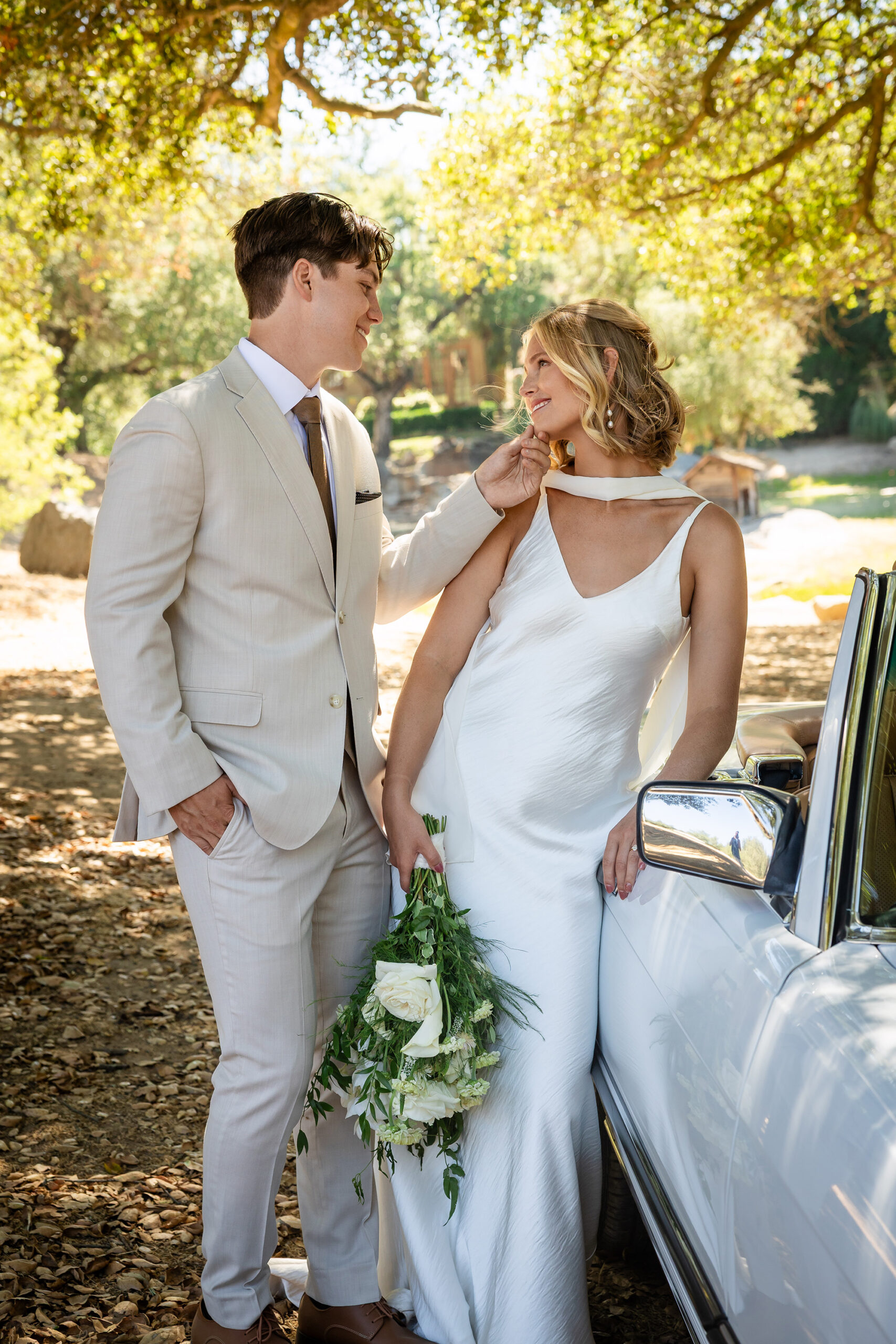
How Many Hours of Wedding Photography and Video Do You Need?
How many hours of wedding photography do you actually need?
For many full wedding days, 8–10 hours of photography and videography coverage is a practical starting point. Six hours can work beautifully for a compact wedding, while 10–12+ hours may make more sense when you have multiple locations, longer traditions, an early start, or a reception you want documented deep into the night.
But the number itself isn’t really the point.
What matters is whether your photo and video coverage begins before the first moment you want to remember and lasts through the final moment you would hate to miss.
That is how we think about it at Honey I Do.
Not, “Which package has the biggest number?”
More like, “What does your day actually look like, and which parts of it matter to you?”
Photo + Video, Planned as One Story
At Honey I Do, photography and videography work together rather than operating as two separate productions.
That matters on a wedding day.
Your photographer should not be pulling you toward one location while your videographer waits somewhere else. We want the candid moments, editorial portraits, movement, voices, atmosphere and ridiculous dance-floor energy to belong to the same story.
One timeline. One coordinated team. Plenty of room for you to actually enjoy it.
Quick Answer: How Many Hours of Wedding Photography Do You Need?
If your wedding is fairly compact and mostly happens in one place, 6–8 hours of wedding photography coverage may be enough.
For a more traditional wedding with getting-ready moments, a first look or portraits, ceremony coverage and the main reception events, 8–10 hours is usually a stronger starting point.
You may need 10–12+ hours when the wedding involves multiple locations, significant travel, longer ceremonies or cultural traditions, extensive preparation coverage, or a late grand exit.
The easiest way to decide?
Choose the first moment you want photographed and filmed. Then choose the last moment you absolutely want captured.
Everything between those two moments—including travel—has to fit inside your coverage.
Wedding Photography and Videography Coverage at a Glance
| Coverage | Usually Works Best For | What You May Capture | Main Trade-Off |
| 4–6 hours | Elopements, City Hall weddings, micro weddings, compact celebrations | Ceremony, portraits, family photos, selected reception events | Little or no getting ready and limited late reception coverage |
| 8 hours | Many traditional single-venue weddings | Final prep, first look, ceremony, portraits, major reception moments and some dancing | Very early prep or a late exit may fall outside coverage |
| 10 hours | Fuller wedding days and multiple locations | More preparation, complete ceremony, portraits, reception events and stronger dance-floor coverage | May be unnecessary for a short, compact celebration |
| 12+ hours | Long cultural celebrations, complex multi-location days or weddings with important events at both ends | A much fuller beginning-to-end story | Only useful when your actual timeline needs it |
Think of those numbers as starting points, not rules.
An eight-hour wedding photography package does not magically make your wedding fit into eight hours.
Your timeline decides that.
Start With Your Wedding Timeline, Not a Photography Package
Packages make shopping easier.
Your wedding does not care about package names.
If the day you want documented stretches from 1:00 p.m. until 10:00 p.m., you have a nine-hour coverage problem even if the package brochure says eight hours is “full day.”
So we prefer to work backwards from your actual wedding.
Choose the First Moment You Want Captured
Do you want us there for the calm before everything begins?
Maybe you care about your dress hanging in the window, your friends moving around the room, a parent seeing you dressed for the first time, letters being exchanged or the slightly chaotic moment when everyone realizes the ceremony is suddenly very close.
Those scenes create context.
They also give your wedding film a beginning instead of dropping straight into the ceremony.
But not every couple cares about two hours of preparation.
Totally fair.
If you would rather have more dance-floor coverage, moving the start time later can be a smart trade.
Choose the Last Moment You Do Not Want to Miss
Now look at the other end.
Is the last must-have moment:
- your first dance?
- parent dances?
- speeches?
- cake cutting?
- thirty minutes of a packed dance floor?
- a cultural tradition?
- a private last dance?
- your actual exit?
There is a big difference between staying through the first dances and staying for a 10:30 p.m. send-off.
If your must-have moments happen late, your coverage has to reach them.
Count Everything That Happens Between Them
This is the part couples understandably underestimate.
Photography and video coverage continues while everybody moves from one location to another.
A 20-minute drive isn’t just 20 minutes.
There is gathering people, elevators, loading cars, parking, unloading equipment and walking to wherever everyone needs to be.
Those transitions are part of the day.
They need room too.
Is 4–6 Hours of Wedding Photography Enough?
Absolutely—for the right wedding.
Four to six hours can be a great fit for an elopement, courthouse wedding, intimate celebration or wedding where nearly everything happens in one place.
The key word is prioritize.
With six hours, you might begin near the final stages of getting ready and continue through the ceremony, portraits, dinner and the first reception events.
Or you could skip preparation coverage completely and preserve more of the party.
What usually does not fit comfortably is everything.
Full getting ready. Multiple portrait locations. Ceremony. Cocktail hour. Dinner. Speeches. Dancing. Grand exit.
Trying to squeeze all of that into six hours can turn the day into a race.
And that is not the vibe.
For a shorter San Francisco civil celebration, our San Francisco City Hall wedding photography guide can help you think through the ceremony and portrait portion of the timeline.
Is 8 Hours of Wedding Photography Enough?
For many weddings, eight hours gives you a lot to work with.
Especially when the preparation, ceremony and reception happen at the same venue or reasonably close together.
A well-planned eight-hour window might include:
- final getting-ready moments;
- details;
- a first look;
- couple portraits;
- wedding-party portraits;
- the ceremony;
- family photographs;
- cocktail-hour atmosphere;
- reception entrance;
- dinner;
- speeches;
- first dances;
- some open dancing.
That can create a beautifully complete visual story.
But there is an important catch.
When those eight hours happen matters just as much as having eight hours.
Coverage from noon to 8:00 p.m. tells a very different story from coverage between 2:00 p.m. and 10:00 p.m.
The first gives you more of the anticipation.
The second gives you more party energy.
Neither is automatically better.
Which one feels more like your wedding?
That is the question.
When Do You Need 10–12+ Hours of Wedding Coverage?
Ten hours starts becoming useful when your wedding has more moving pieces.
Maybe you are getting ready in two locations.
Perhaps the ceremony and reception are separate.
Your ceremony might also be longer.
In addition, your family-photo list may need more time.
Or maybe you really want those quiet preparation scenes and the moment the dance floor stops being polite.
That longer coverage window gives the timeline room to breathe.
Twelve hours or more can make sense for celebrations with multiple ceremonies, meaningful cultural traditions, outfit changes, extended travel or important events happening very early and very late.
But more hours are not automatically better.
If your meaningful wedding story fits comfortably inside eight hours, booking twelve just because twelve sounds more complete does not make the photographs more meaningful.
The goal is enough time, not the biggest package.
Budget naturally matters too. If you’re comparing coverage against overall investment, our San Francisco wedding photography and videography cost guide goes deeper into what affects pricing.
Does Wedding Videography Need the Same Number of Hours as Photography?
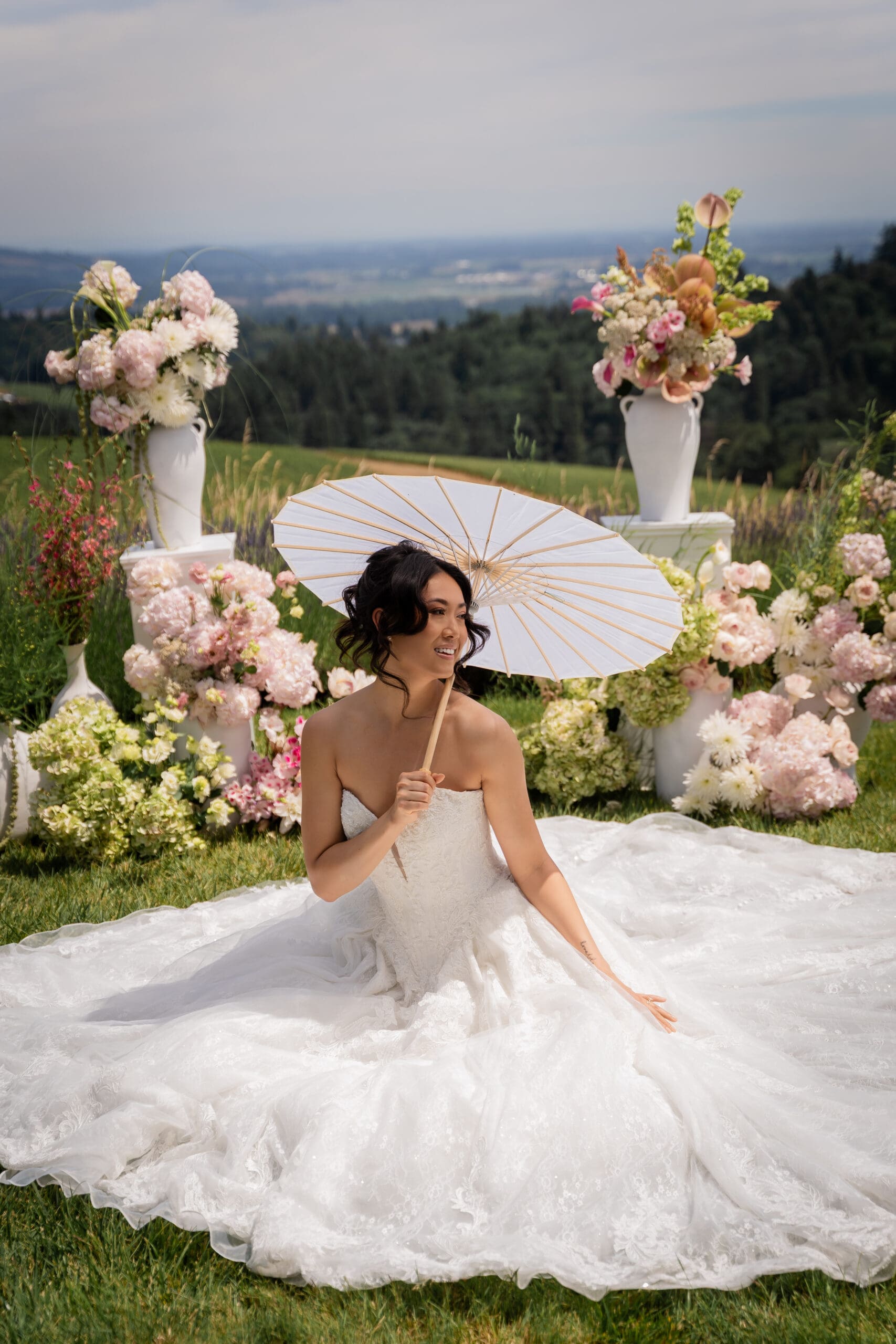
Often, keeping wedding photography coverage and wedding videography coverage aligned makes the day simpler.
But photography and video do not work in exactly the same way.
Video needs sound.
Multiple cameras may need to be positioned before your ceremony.
Microphones need to be ready before anyone begins speaking.
And some moments are especially powerful on film because movement and voices change everything.
Your vows.
A parent trying not to cry.
The shaky laugh halfway through a speech.
The roar when the dance floor finally opens.
Those moments are not interchangeable with photographs.
Photo and Video Should Work From One Timeline
This is one of the biggest advantages of booking photography and videography as one coordinated team.
There should not be two competing timelines.
We can plan the portrait window, ceremony setup, couple session and reception coverage together.
That gives each medium room to do what it does best without turning you into the production manager on your own wedding day.
Video Needs Time for Audio and Camera Setup
A photographer may be able to move quickly into a space and begin creating images.
Video may require additional preparation before a ceremony or speech begins.
Cameras need positions.
Audio needs to be ready.
The moment cannot simply be repeated because someone was still setting up.
That means the timeline should account for video preparation rather than assuming every minute works exactly the same for both teams.
Coverage Hours Are Not the Same as Film Length
Eight hours of wedding videography coverage does not mean you receive an eight-hour wedding film.
Coverage describes how long your team is present.
Your finished films are edited stories created from what happened during that window.
That distinction is worth understanding before comparing packages.
If you are still choosing your team, our guide on how to choose a San Francisco wedding photographer and videographer covers the bigger questions beyond simply comparing hours.
What Can Increase Your Wedding Photographer Hours?
Two weddings with the same guest count can require very different coverage.
Here are the factors that usually matter most.
Getting Ready in Separate Locations
If you’re getting ready in one hotel and your partner is across town, somebody has to cover both stories.
Longer coverage does not magically put one photographer in two rooms simultaneously.
This may be a staffing question rather than an hours question.
More on that in a minute.
Travel Between Wedding Locations
Multiple locations quietly eat wedding photographer hours.
And the map time is only part of it.
Think:
Parking.
Walking.
Elevators.
Loading equipment.
Waiting for the wedding party.
Finding the right entrance.
Getting everybody moving again.
This is why one venue with several beautiful spaces can make the same number of coverage hours feel much more generous.
If venue layout and photographic possibilities are still part of your planning, take a look at our guide to San Francisco wedding venues for photography.
A First Look and Pre-Ceremony Portraits
A first look does not automatically reduce your photography coverage.
It mostly changes where portrait time happens.
You can complete more couple, wedding-party and sometimes family portraits before the ceremony.
That can make cocktail hour much calmer.
But if you still want early getting-ready coverage and late dancing, the overall wedding day is still long.
Family and Wedding-Party Portraits
Ten family groupings move very differently from thirty.
Large wedding parties also require more organization.
We want these photographs to matter without turning cocktail hour into roll call.
A thoughtful list and realistic timeline make a huge difference.
Cultural or Religious Traditions
Some weddings simply contain more story.
A longer ceremony, tea ceremony, outfit change, religious ritual, cultural performance or additional family tradition deserves enough time to happen naturally.
Those moments should not be squeezed simply to fit a pre-selected photography package.
Golden-Hour Portraits
Sometimes the best light does not occur when the schedule says “portraits.”
We may already have photographed you earlier and still suggest disappearing together for ten or fifteen minutes when the evening light changes.
Not because you need another hour-long photoshoot.
You don’t.
Sometimes ten intentional minutes is everything.
Late Reception Events or a Grand Exit
You probably don’t need three hours of photographs showing progressively sweatier versions of the same people dancing.
But if something specific happens later, that changes things.
A performance.
An outfit change.
A special tradition.
A last dance.
A sparkler exit.
If you would be genuinely disappointed not to see that moment in your gallery or film, your coverage should reach it.
What Does an 8-Hour Wedding Photography and Video Timeline Look Like?
Here is one possible example.
It is not a template. Weddings are wonderfully bad at behaving like templates.
| Time | Coverage |
| 1:00 p.m. | Photo + video team arrives; details and final preparation |
| 1:45 p.m. | Getting dressed and candid preparation moments |
| 2:30 p.m. | First look |
| 2:45 p.m. | Couple portraits |
| 3:15 p.m. | Wedding-party and selected family portraits |
| 3:45 p.m. | Couple resets; photo/video team prepares for ceremony |
| 4:30 p.m. | Ceremony |
| 5:00 p.m. | Family photographs + cocktail-hour candids |
| 5:45 p.m. | Additional couple portraits / reception details |
| 6:15 p.m. | Reception entrance |
| 6:30 p.m. | Dinner |
| 7:15 p.m. | Toasts |
| 7:45 p.m. | First dance and parent dances |
| 8:10 p.m. | Open dancing |
| 8:30 p.m. | Short evening portrait session if light/timeline works |
| 9:00 p.m. | Coverage ends |
Notice what is not in this timeline.
Two hours of morning hair and makeup.
Forty-five minutes of travel between venues.
A 10:30 p.m. grand exit.
If those matter to you, the answer is not to squeeze them into the same eight hours.
The coverage window needs to change.
Do You Need More Hours or Another Photographer or Videographer?
These solve different problems.
More hours solve a timeline problem.
If your preparation begins earlier or your must-have reception event happens later, you may need additional time.
Another photographer or videographer solves a simultaneous-moment problem.
If both partners are getting ready in separate places at the same time, adding two hours to one person’s schedule does not allow them to be in both locations.
The same applies during other overlapping moments.
One person may be photographing you while another captures cocktail-hour candids.
One video camera may hold the ceremony angle while another captures your partner’s reaction.
So before simply adding hours, ask:
Do we need the team there longer—or do we need coverage happening in two places at once?
Very different problem.
Very different solution.
How to Choose the Right Wedding Photography Coverage
You do not need your entire wedding timeline finished before booking.
You just need enough information to estimate its shape.
Start with these questions:
1. What is the first moment we would genuinely want photographed and filmed?
Getting ready? Getting dressed? First look? Ceremony arrival?
2. What is the last moment we would hate to miss?
First dance? Speeches? Packed dance floor? Final exit?
3. How many locations are involved?
Count preparation, ceremony, portraits and reception locations.
4. Are important things happening simultaneously?
This may affect staffing more than hours.
5. Do we have a first look?
That changes where your portrait time sits.
6. Are there important cultural or religious traditions?
Protect them in the schedule.
7. Which matters more if we need to compromise—the beginning or the end?
This question is surprisingly useful.
Maybe the nervous energy of getting ready matters more to you than late-night dancing.
Maybe you could not care less about invitation flat lays, but you definitely want the party when everyone finally lets loose.
Excellent.
Do that.
Your wedding coverage should reflect what you actually value.
Frequently Asked Questions
Is 6 Hours Enough for Wedding Photography?
Yes, six hours can be enough for a compact wedding with limited travel and carefully chosen priorities.
It usually works best when you do not need extensive preparation coverage or very late reception coverage. Trying to photograph every part of a long wedding day inside six hours, however, can make the timeline unnecessarily rushed.
Is 8 Hours Enough for Wedding Photography?
For many traditional weddings, yes.
Eight hours can often cover final preparation, portraits, the ceremony and the main reception events when everything happens at one venue or nearby. Multiple locations, long traditions or a late exit may push the wedding beyond that window.
Is 10 Hours of Wedding Photography Too Much?
Not when your timeline actually needs ten hours.
If you want getting-ready coverage through substantial reception coverage—or your day includes multiple locations—ten hours can create breathing room. For a short single-location celebration, those extra hours may not add much.
How Long Should a Wedding Videographer Stay?
Your wedding videographer should stay long enough to capture the moments necessary to tell the story you want.
For many weddings, that means preparation through the main reception events and some dancing. If vows, speeches, performances or a special exit happen outside that window, your coverage needs to account for them.
Should Photography and Videography Have the Same Coverage Hours?
They often can, especially when both are being planned by one coordinated team.
However, the exact schedules may vary slightly because videography requires camera and audio setup. The important thing is that photography and video are planned together around the same wedding timeline.
Does Travel Count Toward Wedding Photography Coverage?
Usually, coverage is a continuous time window, so travel between wedding locations happens inside it.
That is why venue distances, parking and transition time should be considered before selecting your wedding photographer hours.
Do We Need Coverage Until the End of the Reception?
Not necessarily.
Thirty to sixty minutes of a lively dance floor can often communicate the energy of the party beautifully. Staying until the actual end becomes more important when you have a meaningful tradition, private last dance or real exit that you want documented.
Build Your Coverage Around the Story You Want to Remember
There is no magic wedding photography number.
Six hours can be perfect.
Eight can be perfect.
Ten can be perfect.
What matters is whether the people, moments, movement, light, voices and energy that make the day feel like your wedding live inside those hours.
Start with the story.
Then build the timeline.
Then choose the coverage.
Not the other way around.
And when photography and videography are planned together, everything gets easier. Instead of managing two creative teams, you get to stay where you should be—inside your wedding, actually experiencing it.
Planning your wedding and still unsure whether you need 6, 8, 10 or more hours?
Send Honey I Do your date, venues and whatever rough timeline you have so far. We can look at the shape of the day and help you figure out where photo and video coverage should realistically begin and end.
No stopwatch wedding required.

