


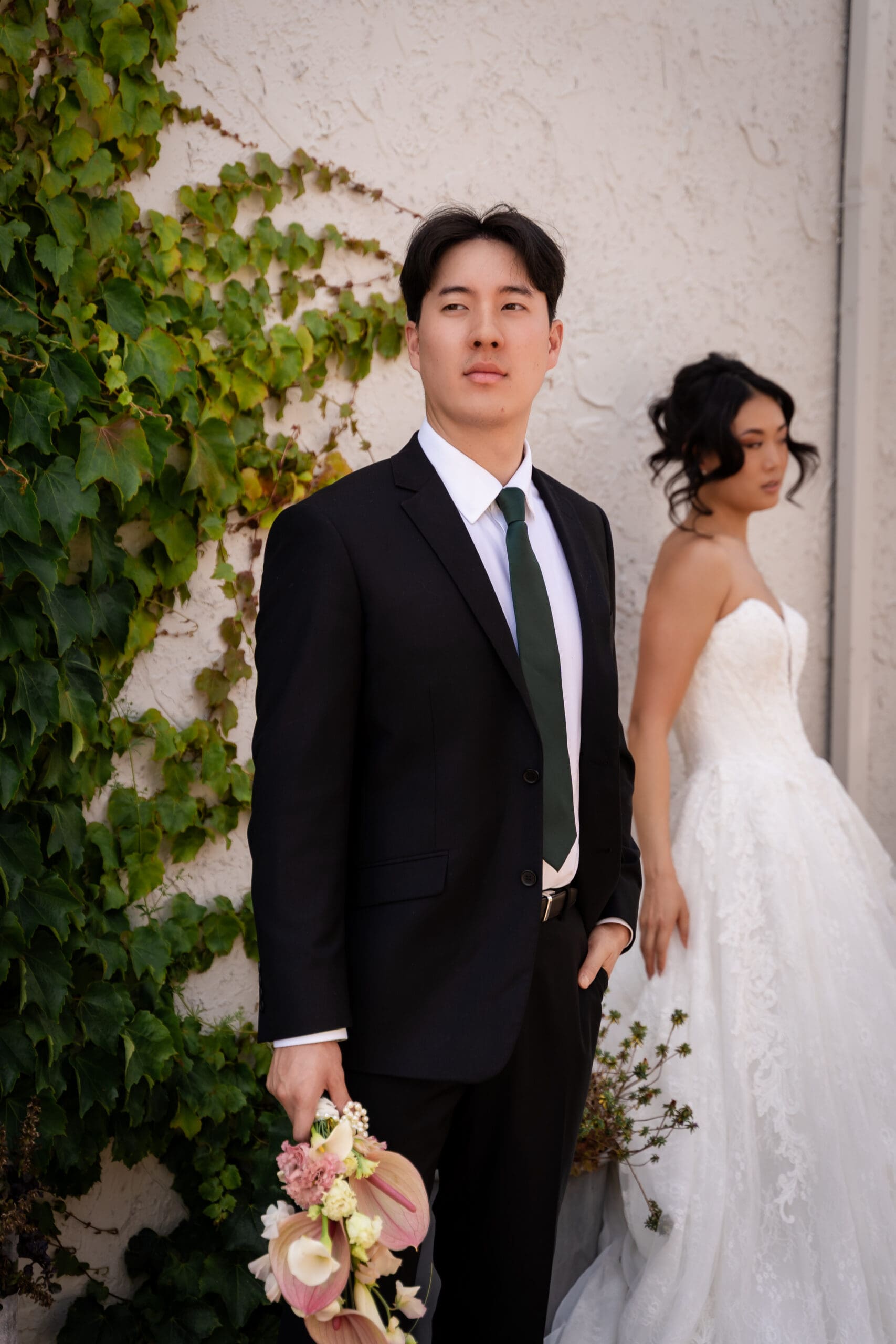
Bay Area Wedding Photographer and Videographer Guide
You can have beautiful wedding photos.
You can have a beautiful wedding film.
But when photography and videography are planned together, you get something even better: one story told in two completely different ways.
Choosing a Bay Area wedding photographer and videographer is not only about finding a portfolio you love. You also need to think about coverage hours, style, your timeline, how your photo and video teams work together, what gets delivered, and what you actually want to remember five, ten, or thirty years from now.
And in the Bay Area? Location matters too.
Fog happens. Traffic happens. Timelines move. Light changes fast. Your ceremony might be in the city while your reception is somewhere completely different.
So here is what actually matters when you’re planning your wedding photography and videography.
Why Listen to Honey I Do?
We are Honey I Do Photo + Video.
Photography and videography are not two unrelated parts of the wedding day for us. They are one shared story.
Our approach blends real, candid moments with an editorial eye and cinematic movement. We want your photos to feel intentional without making your wedding feel like a photo shoot, and we want your film to bring back the voices, movement, energy and tiny moments you may not even realize happened.
Most importantly, our photo and video teams are built to work together.
One timeline.
A shared plan.
Your wedding day.
Quick Answer: What Should You Look for in a Bay Area Wedding Photographer and Videographer?
Look for a team whose work feels like you, whose coverage fits your actual wedding timeline, and who can show you complete weddings—not only their best images or a two-minute highlight reel.
Make sure you understand how many hours are included, who will photograph and film the day, how the team handles audio and difficult light, what your final deliverables include, and how photography and videography will coordinate.
For Bay Area weddings, also think about travel time, changing weather, venue light, parking and moving between locations.
The right coverage should fit your wedding.
Your wedding should not have to bend itself around the coverage.
At a Glance
| What You’re Deciding | What Actually Matters |
| Photography style | Do you want candid moments, editorial direction, or a blend? |
| Videography style | Do you want a cinematic highlight, documentary coverage, or both? |
| Coverage hours | Which parts of the day do you want remembered? |
| Photo + video team | Will everyone work from one timeline and give each other space? |
| Deliverables | Photos, highlight film, ceremony, speeches, raw footage, albums |
| Bay Area logistics | Travel, traffic, fog, light, locations and venue restrictions |
| Portfolio | Can they show complete weddings, not only highlights? |
| Budget | Hours, team size, editing and deliverables all affect cost |
Wedding Photography and Videography Capture Different Parts of the Same Story
Photography freezes a moment.
Videography lets it keep moving.
That sounds obvious, but it is the easiest way to understand why couples often want both.
What Wedding Photography Gives You
Photography gives you individual moments you can return to instantly.
The look on your partner’s face when they see you.
Your mom fixing one tiny thing before the ceremony.
Your best friend laughing so hard they forget a camera is anywhere nearby.
The architecture of the venue.
Your flowers.
Even the table settings you spent six months thinking about and then barely saw because you were busy getting married.
Good wedding photography also gives you something physical.
Images become albums, prints, framed photographs and the picture somebody finds years later and says, “Look at you two.”
We love that.
What Wedding Videography Gives You
Video preserves things photographs cannot.
Movement.
Voices.
Your vows.
The shaky laugh halfway through a speech.
How your dress moved when you walked.
Then the noise when everybody hit the dance floor.
And that little look the two of you gave each other before anyone else noticed.
Photography can preserve how something looked.
Film can bring back how it sounded and moved.
That is why we don’t really see photography and videography as competitors for your budget. They do different jobs.
Together, they tell a fuller story.
Should You Hire One Wedding Photo + Video Team or Separate Vendors?
Both can work.
The real question is how well the people behind the cameras communicate.
When One Coordinated Team Makes Sense
Wedding photographers and videographers often need the exact same thing at the exact same moment.
Your first look.
Your vows.
The kiss.
Sunset portraits.
The first dance.
If the teams are not communicating, those moments can become a weird little camera negotiation happening around you.
Nobody wants that.
A coordinated wedding photo and video team already knows how everyone works. They can plan positions, share the timeline and decide when one person needs to lead while somebody else gives them space.
That can mean:
- fewer repeated poses
- less waiting around
- less competition for angles
- smoother transitions
- consistent communication
- more time for you to actually enjoy what is happening
It is one of the reasons Honey I Do is built around true photo + video teams.
We want you thinking about your wedding, not wondering which camera you are supposed to look at.
If you’re still deciding how to choose the right combination, our guide on choosing a San Francisco wedding photographer and videographer goes deeper into what to compare before booking.
When Separate Vendors Can Still Work Well
Separate photographers and videographers can absolutely create incredible work together.
The important part is communication.
Ask whether your photographer regularly works alongside outside video teams. Ask your videographer how they coordinate during portraits, the ceremony and major reception moments.
Nobody needs to be best friends before the wedding.
They do need to respect each other’s space.
A good photographer should care that your film is beautiful.
A good videographer should care that your photos are beautiful.
You should never feel like you have to choose which team gets the moment.
How Many Hours of Wedding Photography and Videography Do You Need?
There is no magical number.
Eight hours is not automatically right because it appears in a package.
Ten hours is not automatically better because it is longer.
The right number of wedding photographer hours depends on what is actually happening during your day.
First, start with the story you want covered.
Then work backward.
6 Hours of Coverage
Six hours can work beautifully when the day is compact.
Maybe your getting-ready coverage is minimal.
Perhaps the ceremony and reception are in one place.
Or you may care most about the ceremony, portraits and the beginning of the party
A focused timeline can give six hours plenty of breathing room.
A complicated multi-location wedding usually cannot.
8 Hours of Coverage
Eight hours gives many weddings enough room to tell a broader story.
Depending on your timeline, that may include:
- getting ready
- details
- first look
- couple portraits
- wedding-party photos
- family photos
- ceremony
- cocktail hour
- reception entrance
- speeches
- first dances
- part of the open dance floor
But there is a big difference between eight hours at one venue and eight hours spread across three locations.
After all, travel is coverage time too.
That matters in the Bay Area.
10+ Hours of Coverage
Longer wedding photography and videography coverage can make sense when your day has more moving pieces.
You might be getting ready separately.
Perhaps the ceremony is in one location and the reception somewhere else.
You might want both sides of getting ready covered, a full ceremony, sunset portraits and plenty of reception energy.
Or maybe there are cultural traditions, multiple ceremonies or events that simply do not fit neatly into eight hours.
However, more coverage is not about collecting more footage for the sake of it.
It is about giving important moments enough space.
What Should Wedding Photography Coverage Include?
There is no universal shot list that every wedding needs.
There are, however, parts of the day worth discussing before you choose your coverage.
Getting Ready
Getting-ready coverage is about more than makeup and cufflinks.
It is often when the day still feels quiet.
Your closest people are around you. Somebody is looking for something they swear they packed. Someone else is already emotional.
There is anticipation in the room.
Those moments can become some of the most personal photographs from the day.
Details
Invitations, rings, flowers, fashion, heirlooms and other details help establish the atmosphere of the wedding.
However, details should not take over the people.
We care about the table setting.
We care more about your grandmother laughing at that table.
First Look or Ceremony Reveal
A first look can change the rhythm of the day.
It may allow more portraits before the ceremony and create more room later for cocktail hour, family or simply being with your guests.
Seeing each other at the aisle can create a completely different kind of energy.
Neither one is better.
Choose the moment you actually want.
Family and Wedding-Party Photos
These images matter.
However, they also do not need to become a 90-minute endurance event.
A clear list and organized timeline can make family photographs move quickly while still giving you images that will become more meaningful with time.
Ceremony
Obviously, yes.
But ceremony coverage means more than the two of you at the front.
There are reactions.
Parents.
Grandparents.
Friends.
Tiny glances.
People trying not to cry.
People absolutely not trying not to cry.
Your photographer should be watching all of it.
Reception
This is where the energy changes.
Speeches, hugs, reactions, first dances and eventually the point where everyone forgets cameras exist.
We love that part.
What Should Wedding Videography Coverage Include?
Similarly, videography coverage overlaps with photography, but the priorities can be different.
Your filmmaker is not only watching what something looks like.
They are listening.
Vows and Ceremony Audio
Clear audio can turn beautiful footage into something deeply personal.
Your vows sound different ten years later.
So do your parents’ voices.
So does your best friend’s toast.
Good wedding videography thinks about audio before anyone starts speaking.
Movement
Photography can freeze your first dance.
Video can preserve the way you moved through it.
The way your partner pulled you closer.
Maybe the spin went slightly wrong.
Then came the laugh afterward
That movement is part of the memory.
Speeches and Reactions
A speech is never just the person holding the microphone.
The story is also happening across the room.
Your reaction.
Then your partner’s reaction.
And, of course, your parents.
The table of friends already laughing because they know where the story is going.
Good coverage watches both sides.
Atmosphere
A wedding film should not feel like a checklist set to music.
The room matters.
The sound matters.
Movement matters.
Energy matters.
Ultimately, those connective pieces are what make a film feel like your wedding instead of a montage of wedding things.
Candid, Editorial, Documentary and Cinematic: What Do the Styles Mean?
Wedding photography language gets confusing quickly.
Almost everybody is “candid.”
Everybody is “timeless.”
A lot of people are suddenly “editorial.”
So what do these words actually mean?
Candid Wedding Photography
Candid photography focuses on moments that happen naturally rather than being created specifically for the camera.
It is the laugh between poses.
The hug nobody scheduled.
The chaotic dance-floor photo you become obsessed with.
But candid does not mean accidental.
The photographer still needs to understand timing, composition, light and where a moment is likely to happen.
Documentary Wedding Photography
Documentary wedding photography takes the idea further.
The goal is to observe the day honestly and allow real interactions to lead the story.
That does not mean your photographer disappears completely and refuses to help.
You might still need direction during portraits.
Your family might still need somebody to organize group photos.
You might still want help finding the best light.
Documentary is less about “zero direction” and more about not turning your entire wedding into a production.
Editorial Wedding Photography
Editorial photography brings more intention into composition, light, movement and direction.
Think confident framing.
Clean lines.
Interesting architecture.
A little more guidance when the image benefits from it.
Editorial does not have to mean stiff.
And candid does not have to mean messy.
We like the space between the two.
Real emotion with an intentional eye.
Cinematic Wedding Videography
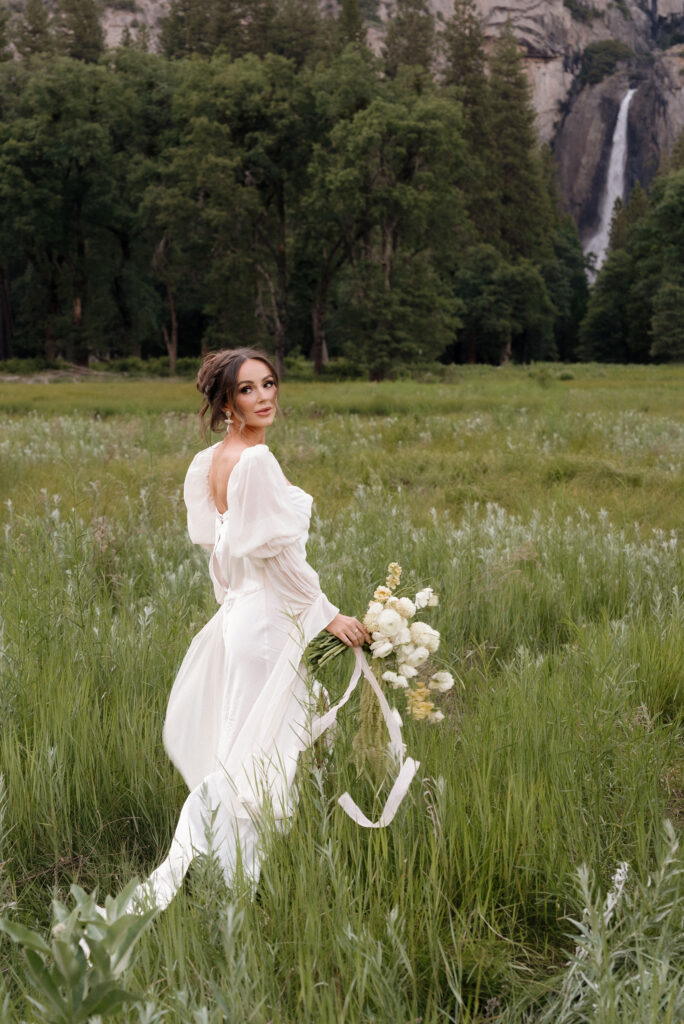
Cinematic videography uses movement, composition, sound, pacing and editing to turn wedding footage into a story.
It should still feel like your wedding.
Not a movie trailer starring two people who happen to look like you.
For us, cinematic means creating something visually intentional without losing the real voices, energy and connection underneath it.
What Makes Bay Area Wedding Photography and Videography Different?
The Bay Area gives you almost everything.
City architecture.
Coast.
Redwoods.
Vineyards.
Hills.
Fog.
Sun.
Sometimes all within the same wedding weekend.
That variety is incredible visually.
It also affects the timeline.
Travel Between Locations
Ten miles on a map does not always equal ten easy minutes.
If your day includes a getting-ready location, ceremony venue, portrait stop and reception somewhere else, build the travel into your coverage before you book your hours.
In addition, parking matters too.
So does unloading equipment.
So does getting everybody from one place to another.
The prettiest timeline in a spreadsheet does not help if nobody can physically make it happen.
Fog, Sun and Bay Area Microclimates
One part of the Bay Area can be cool and foggy while another is bright and warm.
That changes photographs.
It changes what guests experience.
It can also affect the time you want to schedule portraits.
However, do not panic about imperfect weather.
Soft fog can be beautiful.
Bright sunlight can be beautiful.
Wind can add movement.
The goal is not perfect weather.
It is a team that knows how to respond to what the day gives them.
Venue Light and Timing
A beautiful venue can look completely different at noon and at sunset.
Indoor spaces also change throughout the day.
Windows become darker.
Candles come on.
Receptions move from daylight into mixed lighting.
That is why your photo and video timeline should be connected to the actual venue and season rather than copied from somebody else’s wedding.
If you’re still choosing locations, our guide to San Francisco wedding venues and photography can help you think about venues from the camera side of the day too.
How Much Does Bay Area Wedding Photography and Videography Cost?
There is no single Bay Area wedding photography and videography price that tells you what your wedding should cost.
Packages can look similar on the surface and include completely different things.
A smaller team covering six hours is a different service from a multi-person team covering ten hours and delivering photography, a cinematic film, ceremony footage and additional events.
So compare scope before you compare numbers.
For a deeper breakdown, see our guide to San Francisco wedding photography and videography cost.
Coverage Hours
More hours usually mean more shooting time and more material to process afterward.
Instead, buy the hours your timeline needs.
Not the biggest number on the pricing page.
Team Size
One photographer.
Two photographers.
One videographer.
Two videographers.
Every additional person changes what can be covered simultaneously.
For example, two photographers may be useful when both partners are getting ready in separate locations or when you want different ceremony angles.
Two videographers can help preserve multiple perspectives while also protecting key moments with additional camera coverage.
The right choice depends on the wedding.
Deliverables and Editing
Ask exactly what you receive.
For photography, that might include:
- edited high-resolution images
- online gallery
- sneak peeks
- albums
- prints
For videography, that might include:
- highlight film
- ceremony film
- speeches
- documentary edit
- teaser
- raw footage
- social clips
A six-minute highlight and a complete ceremony film are different deliverables.
Make sure you’re comparing like with like.
Travel and Additional Events
Rehearsal dinners, welcome parties, after-parties, engagement sessions and multi-day events can change the total investment.
So can travel.
Ask early.
Clear expectations are much more fun than surprise invoices.
How to Review a Wedding Photographer and Videographer Portfolio
Instagram is useful.
It is not enough.
Anyone can build a beautiful grid from the strongest images they have ever created.
What you need to know is what happens during the rest of the wedding.
Look Beyond the Highlights
The hero image is easy to love.
Also look at:
- getting-ready rooms
- family portraits
- midday ceremonies
- dark receptions
- dance floors
- speeches
- details
- ordinary interactions
- rainy or cloudy conditions
Consistency matters.
Ask to See Complete Weddings
A complete wedding gallery tells you how somebody handles an entire story.
Not only sunset portraits.
Look beyond the ceremony kiss too.
And do not judge the work by only the five photographs that went viral.
The same applies to video.
Ask for complete films or longer examples where available.
A highlight reel tells you how the best moments look.
A complete delivery tells you how consistently the team works.
Check Difficult Lighting
Wedding days do not happen in permanent golden hour.
You may have a dark getting-ready room.
Direct afternoon sun.
A candlelit dinner.
A reception with DJ lighting flashing in seventeen directions.
Look for examples that show the photographer and videographer can handle real conditions.
Listen to the Audio
Do not judge a wedding film with the sound turned off.
Listen to the vows.
Pay attention to the speeches too.
Then notice how natural audio is used.
If hearing the day again matters to you, audio should be part of your decision.
Questions to Ask Before Booking Your Bay Area Wedding Photographer and Videographer
You do not need to interview vendors like you’re hiring a CFO.
But a few specific questions can tell you a lot.
Ask:
- How many hours of coverage make sense for our timeline?
- Who will actually photograph and film our wedding?
- Will our photographer and videographer work as one team?
- Can we see a complete wedding gallery?
- Can we see a complete wedding film or delivery?
- What photography and video deliverables are included?
- How do you capture vows and speech audio?
- How do you approach candid moments versus posing?
- How do you handle difficult or low light?
- Do you help with the wedding-day timeline?
- How do additional coverage hours work?
- What happens if our locations change?
- Are travel costs included?
- What is your delivery timeline?
- What backup plans do you have for equipment or team emergencies?
You do not need the “correct” answer to every question.
You need clear answers.
How Far in Advance Should You Book?
If photography and videography matter a lot to you, start looking once your date and venue are confirmed.
Popular dates can book much earlier than quieter ones.
Peak-season Saturdays usually give you less flexibility than weekdays or off-season dates.
Booking earlier also gives you more time to find a team whose personality fits—not merely whoever happens to still be available.
That matters.
These are people who will be beside you for a very large portion of your wedding day.
You should actually like having them there.
Bay Area Wedding Photography and Videography FAQs
Do We Really Need Both Photography and Videography?
No wedding rule says you have to hire both.
Photography and videography preserve different things, though.
Photos give you individual moments you can print, frame and revisit instantly. Video preserves movement, voices, vows, speeches and atmosphere.
If both matter to you, hiring both can give you a much more complete record of the day.
Is Eight Hours Enough for a Wedding?
It can be.
Eight hours works best when the timeline is reasonably compact and the moments you care about fit comfortably inside that window.
A wedding with several locations, long travel times or extensive getting-ready and reception coverage may need more.
Build the timeline first.
Then choose the coverage.
Should We Hire One Photo + Video Team?
A coordinated photo + video team can simplify communication and reduce overlap because everyone works from the same plan.
Separate vendors can also work beautifully when they communicate well.
The important question is not whether there is one logo or two.
It is whether the people behind the cameras know how to work together without turning you into the referee.
Do We Need a Second Photographer?
Not always.
A second photographer can be useful when important moments happen simultaneously, when the couple is getting ready in separate locations, when the guest count is large or when you want more reaction and alternate-angle coverage.
Ask your photographer what a second shooter would actually add to your particular wedding.
Do We Need Two Videographers?
Again, not automatically.
Two videographers can provide additional angles and allow different parts of the day to be filmed simultaneously.
This can be especially valuable during ceremonies, speeches and larger weddings.
Your timeline should drive the decision.
What Should We Ask to See Before Booking?
Ask to see complete wedding galleries and full film examples whenever possible.
Highlights show creative peaks.
Complete work shows consistency.
Look at portraits, family photographs, ceremonies, receptions, difficult light and the quieter moments between major events.
What Is the Difference Between Candid and Editorial Wedding Photography?
Candid wedding photography focuses on genuine moments that unfold naturally.
Editorial photography uses more intentional composition and direction when an image benefits from it.
You do not necessarily need to choose one.
A photographer can document most of the day naturally while stepping in to create more intentional portraits when the moment calls for it.
That blend is a big part of how we like to work.
How Far Ahead Should We Book?
There is no single booking deadline, but earlier usually gives you more choice.
Once your wedding date and venue are secure, photography and videography are worth moving fairly high on the list if they are priorities for you.
Peak dates may disappear well in advance.
Ready to Build Photo + Video Coverage Around Your Wedding?
You do not need to know exactly how many hours you need before you reach out.
You do not need a perfect shot list.
And you definitely do not need to know the difference between every photography term on the internet.
Tell us about your wedding.
Share what you are excited about.
And let us know what you absolutely want to remember.
We can help you figure out the rest.
At Honey I Do Photo + Video, we build photography and videography around the experience of the day—not the other way around.
One team. One plan. Your wedding.
And plenty of room for the real stuff to happen.

