


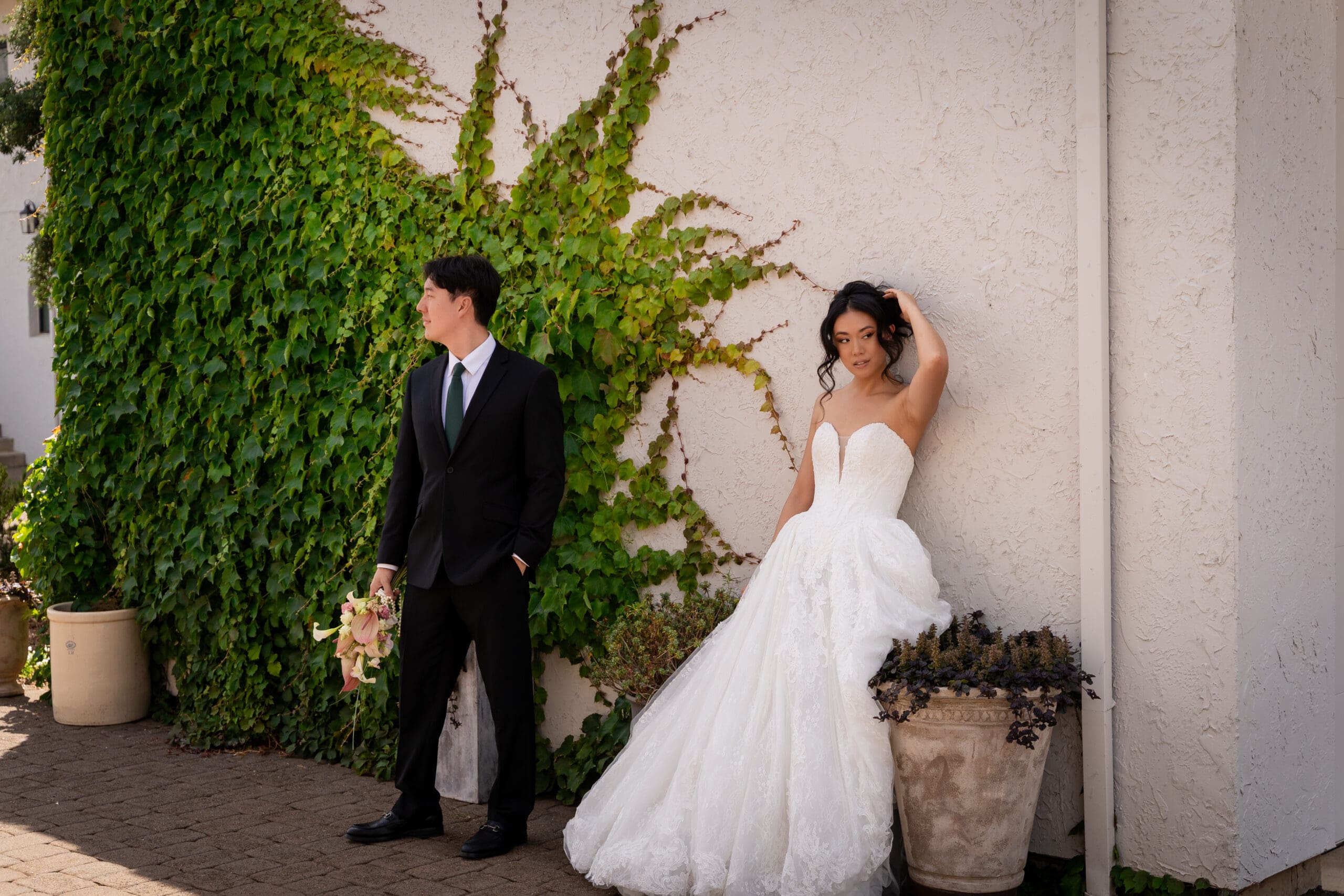
What Happens When One Team Handles Your Wedding Photography and Video?
Your photographer wants the perfect still frame.
Your videographer wants the movement, the voices, the nervous laugh right before the ceremony, and whatever happens three seconds after that frame.
They are documenting the same wedding—but they are not doing the same job.
That is exactly why having a wedding photography and videography team that already knows how to work together can make such a difference.
At Honey I Do, photo and video are not treated like two separate vendors who happen to arrive at the same wedding.
We plan them together.
One timeline. One understanding of what matters to you. Two different ways of preserving it.
And most importantly, you get to spend more of your wedding actually being at your wedding.
Quick Answer: What Changes When One Team Handles Photo + Video?
When one coordinated wedding photography and videography team handles both, your photographer and videographer can plan timing, positioning, portraits, and important moments together before the wedding begins.
That can mean less repeated posing, fewer competing directions, smoother transitions between moments, and photo and video coverage that feels like two parts of the same story.
Basically: fewer cameras fighting over your attention. More room for the day to happen.
At a Glance
With one photo + video team, you can have:
- one shared wedding-day plan
- coordinated ceremony positioning
- one portrait flow instead of two separate sessions
- photography and film created with the same overall story in mind
- fewer conversations for you to manage
- more time to stay present with your people
That last one matters more than it sounds.
Your wedding should not feel like a production built around your cameras.
The cameras should work around your wedding.
What Does a Wedding Photography and Videography Team Actually Mean?
There is an important distinction here.
Hiring one company that offers photography and videography does not automatically mean you are getting a real team.
For us, the point is not simply putting a photographer and videographer on the same invoice.
A real photo + video team shares the plan.
We know the timeline. We know your priorities. We understand which moments matter most to you. And photo and video each know what the other needs before those moments happen.
The photographer still gets to think like a photographer.
The videographer still gets to think like a filmmaker.
They just aren’t figuring out how to work around one another for the first time while you are walking down the aisle.
That coordination begins before the wedding.
If you are still deciding who you want around you on the day, our guide to choosing a San Francisco wedding photographer and videographer can help you think through more than just portfolio style.
How One Photo + Video Team Changes Your Wedding Day
The easiest way to understand the difference is to walk through the actual day.
Because this is where “one team” stops being marketing language and starts becoming something you can feel.
Getting Ready
Getting-ready coverage looks quiet from the outside.
It isn’t.
There are people arriving, details being finished, flowers showing up, someone looking for earrings, music playing, champagne opening, family members popping in, and a timeline quietly ticking in the background.
Photography may be looking for the still details—the dress, invitations, rings, expressions, hands, hugs, the light hitting the room.
Video is noticing movement and sound.
Your mom’s reaction.
The room laughing.
The shake in your voice while reading a note.
The way everyone suddenly goes quiet when you are fully dressed.
When those two sides are coordinated, we do not need to keep interrupting the room to create two versions of everything.
Photo can hold a moment.
Video can let it breathe.
Same morning. Different layers of the story.
The Ceremony
The ceremony is where coordination becomes especially important.
There are moments that happen once.
Your walk down the aisle.
The first look between you.
The vows.
The rings.
The kiss.
The reactions happening behind all of it.
Both photography and video need clear views, but they may need different angles.
A coordinated team can think through those positions ahead of time so the photographer is not suddenly discovering a video camera in the frame—and the videographer is not discovering a photographer directly between the lens and your vows.
Nobody should be negotiating camera territory while you are getting married.
We would rather have those conversations long before you walk down the aisle.
That lets the ceremony feel like a ceremony.
Not a photoshoot.
Couple Portraits
This is one of the biggest differences couples actually notice.
Imagine your photographer spends 20 minutes guiding you through portraits.
Beautiful. Done.
Then your videographer steps in and says, “Great. Can we do some of that again?”
Not exactly the vibe.
Photography and film do need slightly different things, but they can often get them from the same movement.
We might guide you into good light, let you settle into each other, then create enough room for both still photos and motion.
A photograph might catch the second you look at each other.
The film might capture what happens immediately afterward—the smile, movement, wind catching the dress, or something one of you whispers.
One flow.
Two ways of remembering it.
That helps portraits stay fun instead of turning into a long checklist between you and cocktail hour.
Speeches, Dances, and the Reception
Once the reception starts, everything moves faster.
Toasts become reactions.
The first dance becomes parents watching from the side of the room.
Someone starts crying.
Someone else starts laughing because they’re crying.
The dance floor goes from empty to absolute chaos.
We love that part.
Video needs movement and sound.
Photography can jump between the main action and everything happening around it.
When both are working from the same plan, we can cover the obvious moment and the little moments around it without constantly stepping into one another’s space.
Because sometimes your favorite photograph from a speech isn’t the person holding the microphone.
It’s your dad trying very hard not to cry three tables away.
Photography and Video Capture Different Parts of the Same Story
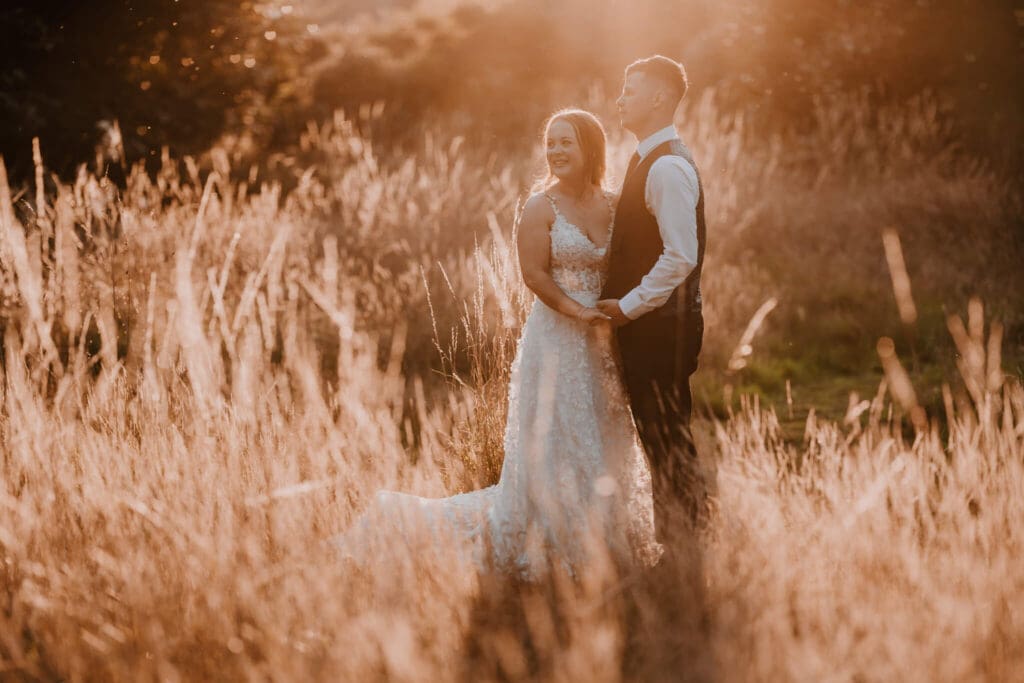
This is why we never think of photography and video as interchangeable.
Photos give you moments you can hold.
The expression on your partner’s face.
The way your friends looked walking toward you.
A portrait that ends up framed in your home for the next 30 years.
Video gives those memories movement and sound.
Your vows in your own voices.
The crack in someone’s voice during a toast.
The cheers when you walk into the reception.
The music.
The movement.
The energy.
Photography can freeze a fraction of a second beautifully.
Film gives you the seconds around it.
Neither is replacing the other.
Together, they make the memory fuller.
One Photo + Video Team vs. Two Separate Vendors
Separate photographers and videographers can absolutely create incredible work together.
The real difference is how much coordination already exists before your wedding.
| One Coordinated Team | Separate Photo + Video Vendors |
| One shared plan | Two plans may need to be aligned |
| Timing discussed together | Each vendor may have a different workflow |
| Ceremony positions can be planned | Positions may be worked out on the day |
| Portrait time can serve both | Each team may ask for its own portrait needs |
| Fewer contacts for you | Two separate communication threads |
| One overall understanding of your priorities | Each vendor receives your priorities separately |
Neither column automatically guarantees better art.
You should still choose people whose work you genuinely love.
But if you already know you want both photography and video, coordination is worth paying attention to.
Ask how often the teams actually work together.
Ask how they plan your timeline.
Ask what happens during portraits.
Ask how ceremony positioning is handled.
Those questions tell you far more than the words “photo + video package.”
Your Photos and Wedding Film Should Feel Like They Belong to the Same Day
We do not mean every photograph and film frame needs identical editing.
Photography and cinema are different mediums.
They should be.
But the emotional language should make sense together.
If your wedding felt warm, wild, intimate, energetic, elegant, weird-in-the-best-way, or all of the above, both sides should understand that.
We want the candid energy in your photographs to make sense beside the movement in your film.
The editorial portraits should not feel disconnected from the rest of the day.
The architecture, landscape, weather, people, light, movement, and little details should all become part of one story.
Not one perfectly polished version of the wedding.
Your wedding.
If you are planning around San Francisco, our guide to San Francisco wedding venues for photography and video also explains how the setting itself can shape your coverage.
How Many Hours of Wedding Photography and Videography Coverage Do You Need?
This is one of the most practical questions couples ask.
And there is no magic number.
The right amount of wedding photography coverage and wedding videography coverage depends on what you actually want remembered.
Think about:
- whether getting ready matters to you
- whether you are doing a first look
- ceremony timing
- travel between locations
- family photos
- couple portraits
- cocktail hour
- speeches
- formal dances
- sunset
- how much reception energy you want documented
- whether there is a meaningful exit or final event
Your wedding photographer hours should follow the story of your day—not a number chosen because it sounds standard.
A smaller celebration may not need the same timeline as a large wedding with multiple locations.
And more hours are not automatically better if those hours are not covering anything meaningful to you.
We would much rather understand what you care about first and build the coverage around that.
For a clearer look at the money side of that decision, see our guide to San Francisco wedding photography and videography cost.
Not Every Company Offering Photo + Video Is Actually One Team
This is worth repeating.
A company can sell photography and videography together without the people behind the cameras regularly working together.
So before booking any wedding photography and videography team, ask a few questions:
Do your photographers and videographers regularly work together?
You want to understand whether the collaboration is familiar or being figured out for your wedding.
How do you build the timeline?
Does one person plan photography while someone else separately plans video, or are both considered together?
How do you handle portraits?
Listen for whether the answer sounds like one coordinated flow or two separate sessions.
How do you position yourselves during the ceremony?
This tells you whether the team thinks proactively about staying out of each other’s frames.
Can we see photo and video from the same wedding?
This is a good one.
You are not just evaluating two portfolios. You are evaluating how the two sides tell one story.
Who will actually be there on our wedding day?
Know who is shooting, how the team is chosen, and what the backup plan looks like.
Those questions help you understand whether “one team” is how the company actually works or simply how the package is labeled.
Can Separate Photographers and Videographers Still Work Well Together?
Absolutely.
We have no interest in pretending two separate creative teams cannot collaborate beautifully.
Good wedding professionals know how to communicate, respect each other’s space, and work toward the same goal.
If you are completely obsessed with one photographer’s work and equally obsessed with a filmmaker from somewhere else, that can be the right choice for you.
Just add coordination to your planning.
Introduce them.
Make sure everyone has the same timeline.
Ask about ceremony positions.
Clarify portrait timing.
Let both teams know what matters most to you.
The advantage of hiring one established photo + video team is simply that much of that coordination already lives inside the team.
You do not have to build it from scratch.
Questions Couples Ask About Booking One Photo + Video Team
Is it better to book wedding photography and videography together?
It can be a great fit if you want simpler communication and photography and video that are planned together.
The important part is not simply hiring the same company. It is hiring a company where the photo and video sides actually operate like a team.
Will one team mean fewer photographers or videographers?
Not necessarily.
“One team” describes how everyone works together, not how many people are present.
The right crew size depends on your wedding, timeline, locations, and coverage needs.
Do photography and videography need the same amount of coverage?
Often they overlap heavily, but not every couple needs identical coverage for both.
Your timeline should be built around the moments you want photographed and the moments you want preserved in motion and sound.
Will we have to pose twice?
That is exactly what good coordination is designed to reduce.
Photography may need a still moment while video needs movement, but those needs can often be built into one natural sequence instead of two complete portrait sessions.
Will our photos and film have exactly the same editing style?
They should feel connected, but they do not need to look identical.
Photography and filmmaking have different strengths.
The goal is a consistent creative understanding of the wedding—not forcing two different mediums into the exact same treatment.
How many wedding photographer hours do we need?
Start with your timeline rather than a package number.
Decide which parts of the day matter most, account for travel between locations, and then build enough coverage around those moments without paying for hours that do not add anything meaningful to your story.
And if your day includes San Francisco City Hall, the rhythm can be very different from a traditional full-day celebration. Our San Francisco City Hall wedding photography guide can help you think through that kind of timeline.
Ready for Photo + Video That Moves as One Team?
Your wedding will already have enough moving pieces.
Your photographer and videographer shouldn’t become two more things you have to coordinate.
At Honey I Do, we want photo and video to feel like one creative team around you—not two vendors competing for your time.
We will chase the beautiful light.
We will notice the tiny reactions.
We will make room for the candid chaos.
We will guide you when you need it and disappear into the moment when you don’t.
Photos give you the frames.
Film gives you the movement, voices, and energy between them.
Together, they give you the story.
And while we’re busy capturing it, you get to actually live it.
Planning your wedding? Tell us the date, the place, and what you want the day to feel like. Let’s build your photo + video coverage around that.

